Human society has been progressing rapidly, hasn't it? Well, as we talked about earlier, there was a time when humanity was very slow and didn't make many scientific advancements. That was the Paleolithic Era. But now, with the rise of empires, China, Rome, and other empires have created numerous inventions and conquered many pieces of land. It's Chapter Three of humanity's story of world domination.
Today, we'll talk about Intro to Part Two and the entirety of Chapter 3.
Intro to Part Two
Previously, the book has been talking about thousands of years of human history in one chapter, but that is no more. In the era of empires, rapid technological advancements have become a thing, especially in China, Rome, and India.
This is also the era of conquering, especially for Rome. Did you know that Rome would salt the soil of civilizations so that their crops wouldn't grow? I wish I could say that's the worst they've done, but I would be wrong.
In terms of major change, compared to the previous eras, there isn't one major change that defines the era. It's mainly "the same thing, but better." Still, not all was good in the era of civilizations; plagues started becoming a big deal, mainly because everyone lived in the same place. Since germ theory of disease didn't exist back then, you can imagine how much people died from reasons we would typically avoid today.
On the bright side, Japan is now a civilization during this time period. They got their writing system from China.だから、 漢字を覚えることがむずかしいです。(Because of that, learning Japanese kanji is hard)
The Beginning of Chapter Three
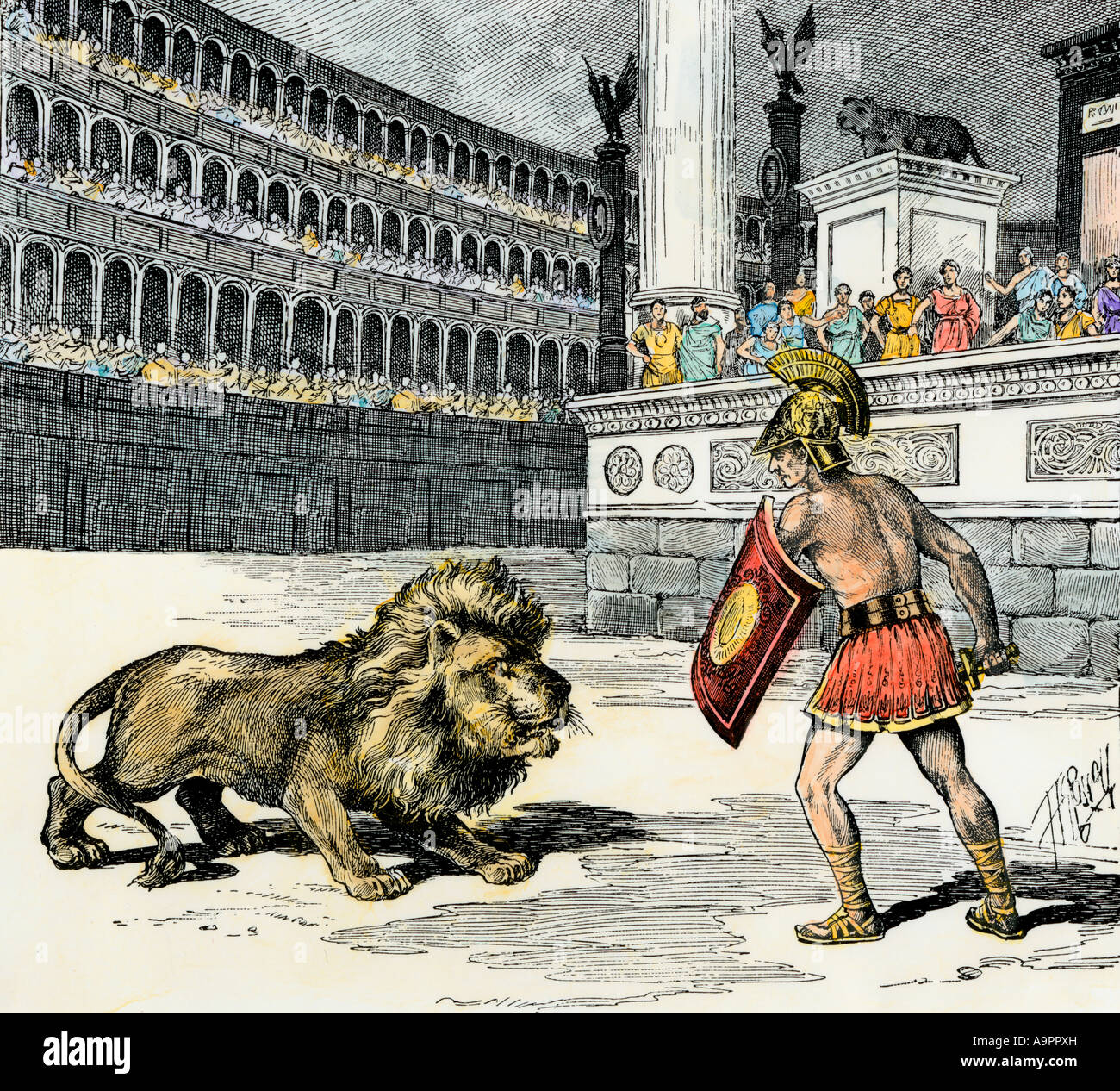
It would be an understatement to say that the United States of America is a successful country. But like all other empires, the United States has to lose its superpower status someday. Some might even argue that might be within this century, and they bring up the comparison to the Roman Empire.
I will argue this: not all empires have fallen like Rome. China, for example, is theorized to become a superpower again, despite being an ancient civilization. However, America has some of its roots in Rome, and is going through some of the similar mistakes as Rome, so it's not unlikely that one day, America will lose the power that it once had (some may argue that it already has lost some of its power).
But before empires fall, people admire and fear its power. Empires are impressive. Not only do they maintain many acres of land, but they are also home to many cultures and identities. Sure, there was discrimination, but for the time, many nationalities coming together to form one empire was a new concept. What an impressive human feat, over two millennia before America.
Empires and Civilizations in Collision: The Persians and the Greeks
There were once two prominent civilizations in Eurasia: Persia and Greece. Persia was united and powerful, and Greece was small and divided. So it was no surprise that Greece ultimately won.
"Wait, Greece?!" Yes, Greece's battles against Persia are true underdog stories. The first time they collided, Greece won against all odds. Then Persia fought again... and lost.
Then, Alexander the Great dominated them at age twenty-four, and Persia is now no more. That's pretty impressive for a twenty-four year old. The last time I heard of a twenty-four year old accomplish something amazing for their age, it was Toby Fox creating Undertale. And that's nothing compared to single handedly dominating Persia (sorry, Toby Fox).
What was interesting was that the book claims that Persian and Greek values gave birth to Eastern and Western government values, respectively. And my response to that is, "Wait, Persia was established before China?"
Comparing Empires: Roman and Chinese
The Roman government changed a lot, and the Chinese government stayed consistent. Both have their respective victories and downfalls, but one ultimately had the bigger downfall.
The most famous Roman government is their republican government (no, not like the Republican Party). Only the wealthy ruled, and two consuls got suggestions from the Senate. Also, even poor people could impact legislation and shape public policy.
Does that sound familiar? If so, welcome to the United States of America! Our government was based on a fallen empire, and we're going through the same mistakes as them! I mean, the president already got more power overtime; the Great Depression needed a powerful president to solve it (what, did you think I was going to mention Trump? I'm a college student, not a journalist!).
While China lacked freedom of speech, it somehow survives to this day. Rome, on the other hand, did not survive to this day. Well, there is still a Rome today; it's the capital of Italy!
So moral of the story, don't always assume Europe was powerful in history. China did what Rome couldn't; stay a united empire.
Intermittent Empire: The Case of India
After the Indus Valley civilizations fell, Indian Empires formed.
The Mauryan Empire, for example, had a large army with 9,000 elephants. That may sound surprising, but guns didn't exist back then. Elephants are notoriously hard to kill without a gun, and can trample people with their size. It's actually intelligent to have elephants in the army, similar to how people used horses in warfare.
While they thrived in subjects such as art and mathematics, they did not thrive in government. India could not keep a stable, united government. Despite this, they made progression in many areas.
Also, India is now one united country, so eventually, the day would come. However, as of now, I don't know when (outside of their independence from Britain in 1947). Maybe someday, the book will teach me.
That's it for this time, where I compared Rome to America much more than I should have. Next time, I'll answer another question from the book.
See you later!

No comments:
Post a Comment